
Views: 6


5
Article prepared
Animals Website
Endangered species
Content ID: ANIMAL-003 · Language: English · Category: Wild Animals / Big Cats · Updated: October 22, 2026
Article: Tiger — The World’s Largest Living Cat Species
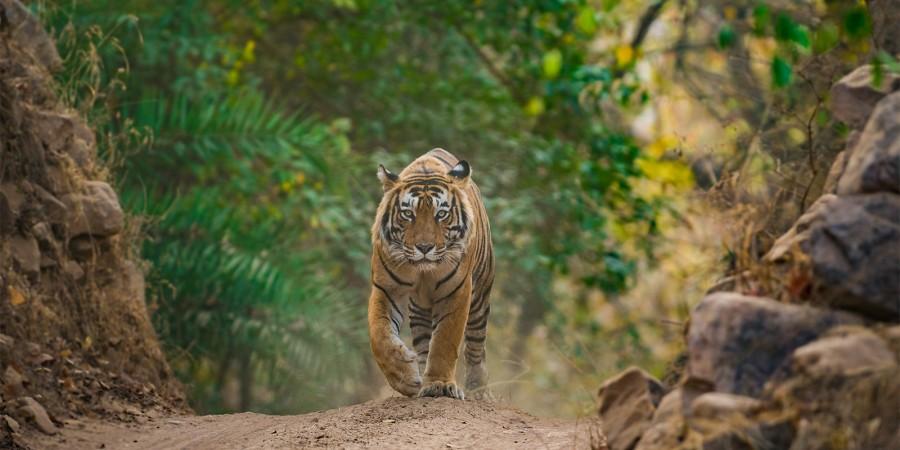
The tiger (Panthera tigris) is the largest living cat species and one of nature’s most magnificent predators. With its unmistakable orange coat, black stripes, powerful muscles, and extraordinary hunting abilities, the tiger has fascinated people for centuries.
From the snowy forests of eastern Russia to the tropical jungles of India and Indonesia, tigers have adapted to remarkably different environments. Yet despite their strength, these iconic animals remain endangered because of habitat loss, poaching, and conflict with humans.
IUCN CatSG
+2
1. Tiger facts at a glance
Scientific name
Panthera tigris
Animal family
Felidae
Maximum recorded species range
Up to around 325 kg
Length
Up to around 3 m for large Amur tigers
Average wild lifespan
About 10–15 years
Diet
Carnivore
Natural range
Asia
Conservation status
Endangered
Measurements vary considerably by population, sex and individual.
IUCN CatSG
+1
2. What makes tigers so powerful?
Tigers possess a remarkable combination of muscular strength, agility, camouflage, and sharp senses. Their powerful hind legs allow them to leap toward prey, while their strong jaws and retractable claws help them seize and hold large animals.
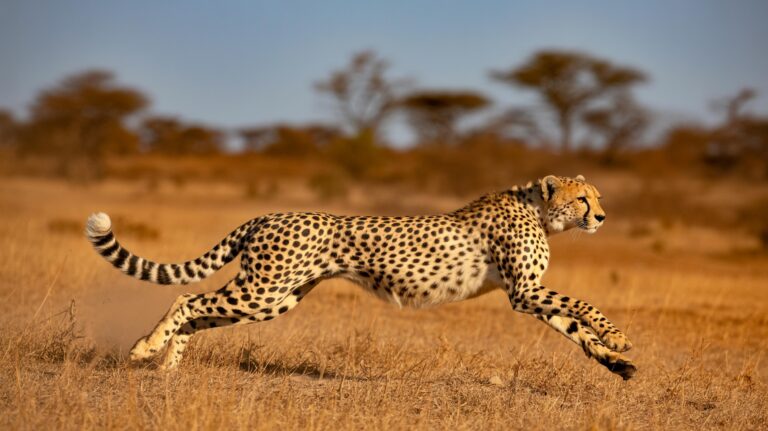
Unlike cheetahs, which rely on high-speed chases, tigers are ambush hunters. They quietly approach their prey through vegetation before launching a short, explosive attack.
Their striped coats provide camouflage in forests and grasslands, where alternating sunlight and shade help disguise their outlines.
National Zoo
+1
3. Where do tigers live?


7
Wild tigers survive in parts of Asia, with important populations in India, Nepal, Bhutan, Bangladesh, Russia, China, and Southeast Asia, including Indonesia.
Their habitats include tropical rainforests, temperate woodlands, grassy landscapes, and mangrove wetlands. The Sundarbans, shared by India and Bangladesh, are particularly famous for their mangrove-dwelling Bengal tigers.
A healthy tiger habitat needs three essentials: sufficient prey, access to water, and enough territory for hunting and breeding.
National Zoo
+1
4. Types of tigers
Scientists have used different taxonomic systems for dividing tigers into subspecies. The following are six traditionally recognized surviving forms.
| Tiger | Distinguishing feature |
|---|---|
| Bengal tiger | Found mainly on the Indian subcontinent |
| Amur (Siberian) tiger | Adapted to cold forests; among the largest |
| Sumatran tiger | Smaller, island-dwelling tiger |
| Malayan tiger | Native to the Malay Peninsula |
| Indochinese tiger | Found in mainland Southeast Asia |
| South China tiger | Possibly extinct in the wild |
The Bali, Javan, and Caspian tiger populations disappeared during the twentieth century. Modern genetic classifications sometimes group living tigers into broader continental and Sunda lineages.
National Zoo
+1
5. What do tigers eat?
Tigers are obligate carnivores, feeding on animals rather than vegetation for nutrition. Their most important prey includes deer and wild pigs, although larger prey such as wild buffalo may also be taken.
Most tigers hunt alone, typically relying on cover and surprise. As apex predators, they help regulate prey populations and contribute to ecosystem balance.
National Zoo
+1
6. Tiger behavior and reproduction

Tigers are primarily solitary, meeting other adults to mate. A female raises her cubs without help from the father, teaching them the skills necessary for survival.
A typical litter contains two to four cubs. Young tigers usually remain with their mother for approximately two years, sometimes longer, before establishing their own territories.
Tigers communicate through roaring, scent marking, scratches on trees, and softer vocalizations. Their territories can cover substantial distances depending on prey availability and habitat quality.
WWF
+2
7. Seven fascinating tiger facts
- Every tiger has a unique stripe pattern, allowing researchers to identify individuals.
- Tigers are excellent swimmers and regularly enter rivers and lakes.
- Their stripes also extend to the skin beneath their fur.
- The Amur tiger is generally considered the largest traditional tiger subspecies.
- Tiger cubs are born with their eyes closed and depend completely on their mother.
- Tigers use scent markings to communicate territorial boundaries.
- International Tiger Day is celebrated every July 29 to raise awareness about tiger conservation.
National Zoo
+2
8. How many tigers remain in the wild?
5,711
WWF’s reported wild tiger population figure for 2025.
Wild tiger population: historical comparison
Approximate global figures; historical and modern estimates use different methods.

Although tiger numbers have recovered in some protected areas, their global population remains far below historical levels. Conservation organizations continue to identify illegal hunting, habitat fragmentation, declining prey populations, and human-wildlife conflict as major threats.
A 2025 IUCN Green Status assessment described tiger recovery as still critically depleted, while recognizing that conservation has prevented additional losses. This recovery assessment is distinct from the species’ Endangered Red List classification.
WWF
+1
9. Why tiger conservation matters
Protecting tigers also protects forests, wetlands, prey species, and many other forms of wildlife that share their habitats.
Effective tiger conservation requires protected areas, wildlife corridors connecting isolated populations, anti-poaching measures, scientific monitoring, and programs that help communities coexist safely with large predators.
Tigers are more than symbols of wilderness. They are important components of functioning ecosystems, and their long-term survival depends on protecting entire landscapes.
WWF.CA
+1
Conclusion
The tiger is an extraordinary example of nature’s strength, beauty, and complexity. As the largest living cat species, it commands attention through its size, intelligence, adaptability, and hunting skill.
Yet the tiger’s future depends less on its physical power than on humanity’s willingness to safeguard its remaining habitats. Protecting tigers today helps preserve Asia’s wild ecosystems for future generations.
Website publishing package
SEO details Copy
Suggested URL slug
tiger-largest-living-cat-species
Meta description
Discover the tiger, the world’s largest living cat species. Explore tiger facts, habitats, hunting behavior, subspecies, and endangered conservation status.
Focus keyword
Tiger facts
Suggested tags
Tiger, Bengal Tiger, Siberian Tiger, Big Cats, Wildlife, Endangered Animals, Conservation
Photo and video resources

PhotographsWikimedia Commons — Tiger media library
Includes tiger portraits, habitat photographs, cubs, behavior and video clips. Check each image’s individual license and attribution requirements.

Documentary / educational videoWWF — How Can We Save Tigers?
Official World Wildlife Fund video exploring tiger conservation and biodiversity, suitable for linking or embedding where permitted.
Editorial references
- IUCN Cat Specialist Group — Tiger
- WWF — Tiger Species Profile
- Smithsonian National Zoo — Tiger
- BBC Earth — Tiger Facts
Publishing status: Article content and metadata prepared, with media sources identified. Images have not been licensed or uploaded, and the post has not been published to WordPress.
Content reference: ANIMAL-003 — ready for the Animals Website Publisher workflow.