
Views: 11
Red Panda: Life in the Himalayan Forests
BIN3AIAH ANIMALS | WILDLIFE & CONSERVATION
Red Panda Expedition – Singalila Ridge | Banjara Experiences
Red panda, herbivore wild animal | Free Photo – rawpixel
Red Panda Fact Sheet | Blog | Nature | PBS
9
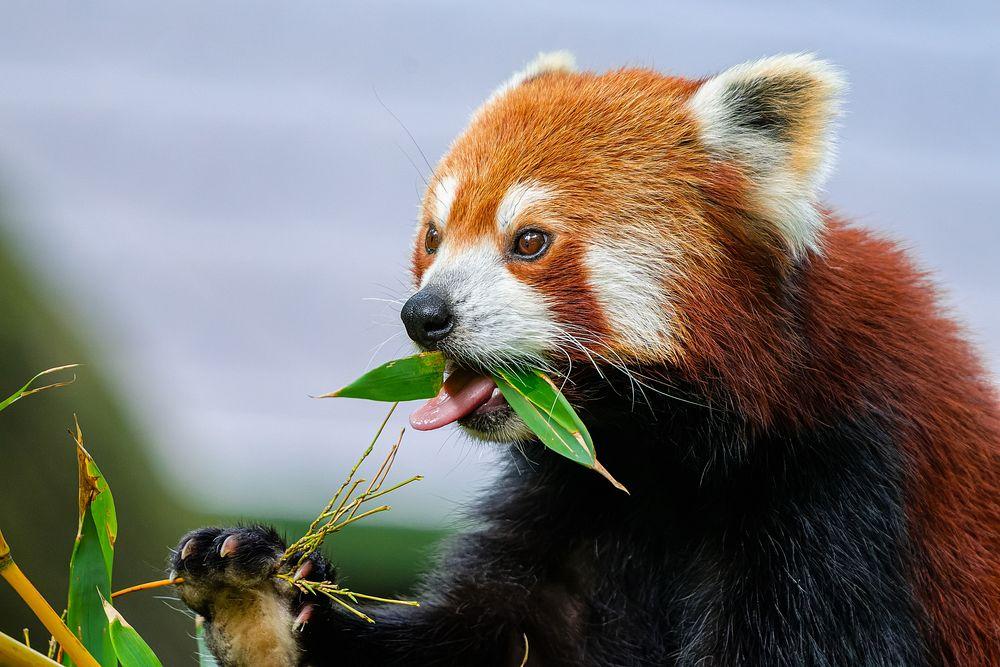
Hidden among the mist-covered trees and bamboo thickets of the Himalayas lives one of the world’s most distinctive mammals: the red panda (Ailurus fulgens). With its reddish-brown fur, white facial markings, and long, striped tail, this elusive forest dweller is exceptionally well adapted to life high in the mountains.
Despite its name, the red panda is not closely related to the giant panda. It belongs to its own family, Ailuridae, and is its only living representative. National Zoo+1
1. Quick facts
| Feature | Details |
|---|---|
| Scientific name | Ailurus fulgens |
| Family | Ailuridae |
| Habitat | Temperate mountain forests |
| Distribution | Nepal, India, Bhutan, Myanmar, China |
| Weight | Approximately 3.6–7.7 kg |
| Body length | Approximately 56–63 cm |
| Tail length | Approximately 37–47 cm |
| Main diet | Bamboo leaves and shoots |
| Activity | Primarily dawn and dusk |
| Conservation status | Endangered |
National Zoo+1
2. Life in the Himalayan forests
Red pandas inhabit cool, mountainous forests where tall trees provide shelter and dense bamboo grows beneath the canopy.
These forests offer three essential resources: food, protection from predators, and safe places to rest or raise young.
Their thick coats help insulate them in cold conditions, while their reddish coloring provides camouflage among moss-covered branches.
Red pandas are exceptional climbers. Their flexible ankles allow them to descend tree trunks headfirst, and their long tails help them balance along narrow branches.
3. What do red pandas eat?
Although classified in the order Carnivora, red pandas eat a predominantly plant-based diet.
Bamboo accounts for roughly 95% of their food, particularly nutritious leaves and tender shoots. They occasionally consume fruit, roots, insects, and other small animals.
A modified wrist bone acts as a false thumb, helping them hold bamboo while feeding. National Zoo
Because bamboo provides relatively little energy, red pandas conserve energy by resting for long periods.
4. Daily behavior and survival
Red pandas are generally solitary, except during the breeding season and while mothers care for their cubs.
They communicate through scent markings and quiet sounds. They spend considerable time resting in trees and are often most active around sunrise and sunset.
During cold weather, a red panda may curl into a tight ball, wrapping its thick tail around its body to conserve warmth. In warmer conditions, it may stretch across a branch to release heat.
5. Raising young in the forest
Female red pandas create nests inside hollow trees, stumps, or sheltered vegetation, lining them with leaves, moss, and other soft materials.
Litters commonly contain two cubs, which are born with fur but remain highly dependent on their mother. The young gradually explore their surroundings before becoming independent at approximately one year old. National Zoo
6. Why are red pandas endangered?
IUCN conservation classification
Endangered
WWF estimates the population at around 10,000 red pandas, although accurate wild population counts remain difficult.
Their major threats include:
- Habitat loss: Forest clearing removes essential bamboo and nesting trees.
- Forest fragmentation: Roads and development isolate populations.
- Poaching and trapping: Red pandas can be killed for their fur or caught in traps intended for other species.
- Human disturbance: Livestock grazing and other activities can degrade suitable forest habitat.
Protecting connected Himalayan forests is essential to their long-term survival. WWF+1
7. Five fascinating red panda facts
- Red pandas are the only living members of the Ailuridae family.
- They can descend trees headfirst thanks to their unusually flexible ankles.
- Their thick fur even covers the soles of their feet.
- They possess a false thumb used to grip bamboo.
- They can lower their metabolic rate during exceptionally cold conditions to conserve energy.
Conclusion
The red panda is more than a charming symbol of the Himalayas. It is a remarkable example of adaptation, having evolved specialized climbing abilities, insulating fur, and feeding behaviors suited to its mountain-forest environment.
Its future depends on protecting the forests, bamboo resources, and connected habitats that sustain it.
SEO package for Bin3aiah Animals
SEO TITLE
Red Panda: Life, Habitat, Diet & Himalayan Conservation
Copy
URL SLUG
red-panda-life-himalayan-forests
Copy
META DESCRIPTION
Discover how red pandas survive in Himalayan forests. Explore their habitat, bamboo diet, fascinating adaptations, daily behavior and conservation challenges.
Copy
Primary keyword: Red panda
Secondary keywords: Red panda habitat, Himalayan red panda, red panda diet, red panda facts, endangered red panda, red panda conservation.
Tags: Red Panda, Himalayan Wildlife, Ailurus Fulgens, Endangered Animals, Mountain Forests, Bamboo Forests, Wildlife Conservation, Rare Mammals, Asian Wildlife, Animal Facts.
Suggested image alt text: Red panda resting on a moss-covered tree branch in a Himalayan temperate forest.
Recommended category: Animals / Mammals / Endangered Species
Suggested hashtags: #RedPanda #HimalayanWildlife #WildlifeConservation #EndangeredSpecies #AnimalFacts #Bin3aiahAnimals
Scientific references: Smithsonian National Zoo · World Wildlife Fund