
Views: 15
Polar Bear: Surviving in the Arctic
Wildlife & Nature | Arctic Animals | Conservation


11
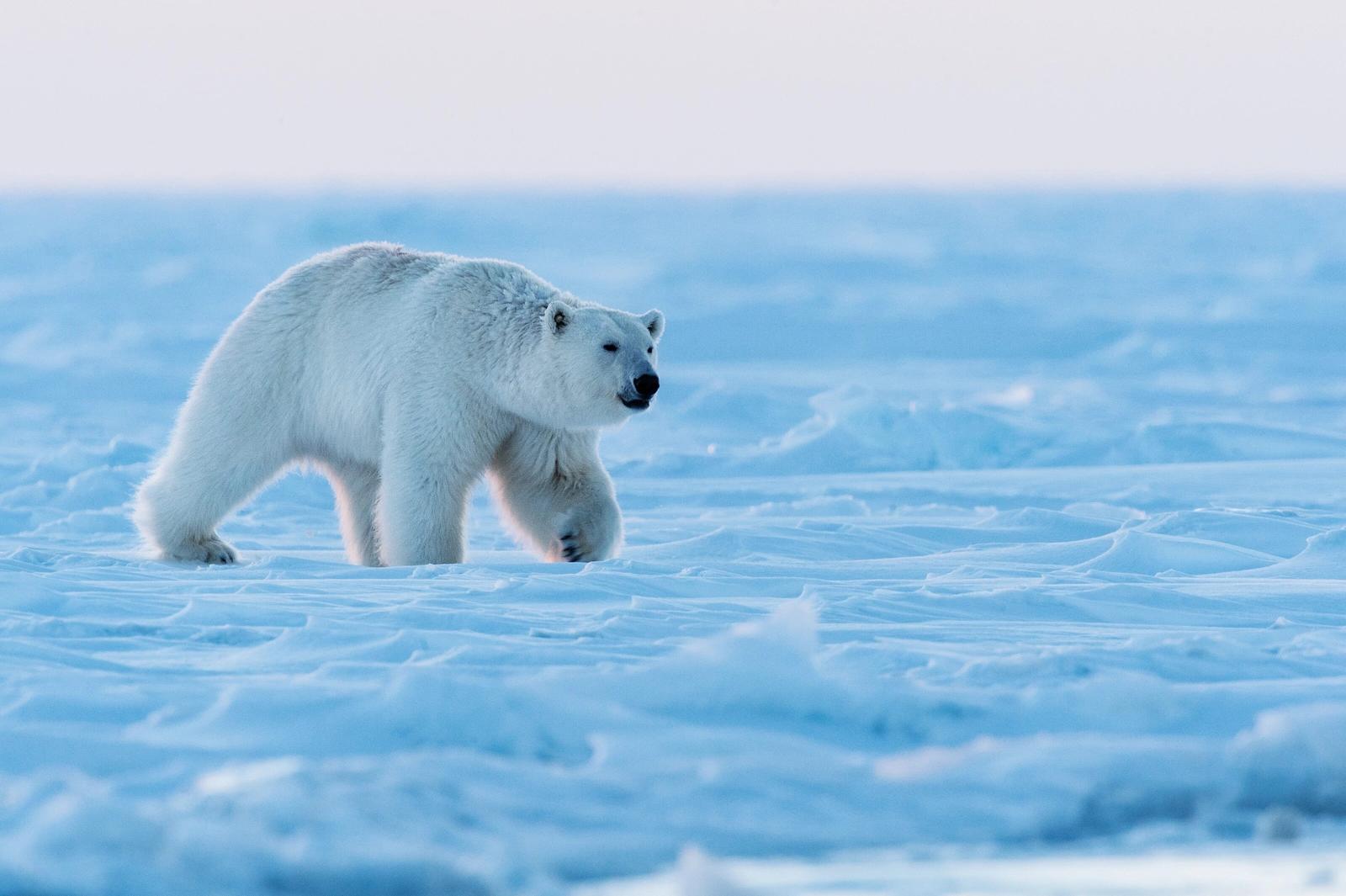
The polar bear (Ursus maritimus) is one of nature’s most extraordinary survivors. Living in one of Earth’s coldest and harshest environments, this powerful predator has evolved remarkable adaptations that allow it to hunt, swim, travel, and raise its young across the frozen Arctic.
With its thick fur, enormous paws, exceptional sense of smell, and insulating body fat, the polar bear is perfectly equipped for life on sea ice. Yet despite its strength, its future is increasingly uncertain as climate change transforms its frozen habitat.
1. Meet the King of the Arctic
Polar bears are the largest living species of bear and among the biggest land-dwelling carnivores. Unlike brown bears, they spend much of their lives on Arctic sea ice, where they hunt seals.
Scientific name
Ursus maritimus
Average male weight
350–700 kg
Adult male length
2.0–2.5 m
Wild lifespan
15–25 years
Primary diet
Seals
Conservation status
Vulnerable
Polar bears inhabit Arctic regions of Canada, Greenland, Norway’s Svalbard archipelago, Russia, and Alaska in the United States. They do not live naturally in Antarctica.
2. Incredible Adaptations for Arctic Survival

Thick, insulating fur
Two layers of fur help trap warmth, while a thick layer of fat beneath the skin provides additional insulation. The fur looks white, but the hairs are largely translucent and scatter light.

Enormous paws
Broad paws distribute the bear’s weight on snow, provide traction on slippery surfaces, and help propel it through icy water.

Powerful sense of smell
Polar bears can detect seal scents from considerable distances, helping them locate prey even when seals are hidden under snow or ice.

Exceptional swimming ability
Strong front limbs and streamlined bodies allow polar bears to swim long distances between ice floes and land.
These physical adaptations help explain why polar bears can survive freezing conditions that would be deadly to most other large mammals.
Smithsonian Ocean
3. Hunting: The Art of Patience

Polar bears are apex predators, meaning they occupy the top of their Arctic food web. Their main prey consists of ringed seals and bearded seals.
One of their most effective hunting techniques is called still-hunting. A bear waits silently beside a seal’s breathing hole in the ice, sometimes for hours. When the seal surfaces, the bear attempts to seize it with a powerful burst of speed.
Seal blubber provides the calorie-rich food polar bears need to survive. A successful hunting season can allow them to accumulate substantial fat reserves for periods when food is scarce.
4. Raising Cubs in a Frozen Wilderness

Female polar bears usually give birth to one or two cubs inside snow dens during winter.
At birth, the cubs are tiny, blind, and almost helpless. Their mother protects them and feeds them exceptionally rich milk until they are strong enough to emerge from the den.
Cubs generally stay with their mothers for approximately two to two-and-a-half years, learning essential survival skills such as traveling on sea ice, identifying danger, and hunting.
This extended period of maternal care gives young bears a better chance of surviving independently.
5. The Greatest Threat: Melting Sea Ice

Polar bears depend on sea ice as a platform for hunting, traveling, and mating. As Arctic temperatures rise, sea ice is melting earlier in spring and forming later in autumn in many regions.
This creates several challenges:
- Reduced hunting opportunities: Less time on ice means fewer chances to catch seals.
- Longer fasting periods: Bears may have to survive for months using stored body fat.
- Greater travel demands: Some bears must swim or walk farther to find suitable habitat.
- Lower reproductive success: Poor nutrition can affect mothers and cub survival.
- More encounters with humans: Bears spending more time on land may approach settlements.
The effects vary by region. Some populations have remained relatively stable or temporarily benefited from changing ice conditions, while others have declined.
Population – WWF Arctic
+1
6. Polar Bear Conservation
Estimated global population
22,000–31,000
Widely cited estimate; significant uncertainty remains.
IUCN Red List
Vulnerable
Polar bears are divided into 20 recognized Arctic subpopulations. Some are well studied, while others lack sufficient information to determine population trends.
Polar Bear Specialist Group
+1
Protecting polar bears requires international cooperation, including reducing greenhouse gas emissions, protecting important habitats, managing human–bear conflicts, and supporting scientific monitoring alongside Indigenous knowledge.
7. Five Fascinating Polar Bear Facts
Their skin is black. Beneath their light-colored fur, polar bears have dark skin.
They are marine mammals. Their scientific name translates approximately to “sea bear.”
Their feet provide grip. Textured pads, fur, and claws help prevent slipping on ice.
Most do not hibernate. Pregnant females shelter in maternity dens, while other bears can remain active through winter.
They can overheat. Their insulation is so effective that running or intense activity can cause overheating even in cold weather.
Polar Bears International
+1
Conclusion
The polar bear represents one of evolution’s most remarkable achievements. Every aspect of its body and behavior reflects thousands of generations of adaptation to the Arctic.
But its greatest strength—specialization for life on sea ice—also makes it vulnerable to rapid environmental change. Protecting the polar bear means protecting the frozen habitat and marine ecosystem on which it depends.
The survival of the polar bear is closely connected to the future of the Arctic itself.
SEO publishing details
SEO title: Polar Bear: Surviving in the Arctic | Facts, Habitat & Conservation
Meta description: Discover how polar bears survive extreme Arctic cold, hunt seals, raise cubs, and face the growing challenges of melting sea ice.
Suggested URL slug: polar-bear-surviving-in-the-arctic
Focus keywords: polar bear, Arctic wildlife, polar bear adaptations, polar bear habitat, polar bear conservation, Arctic predators.
Suggested category: Animals / Wildlife
References: IUCN Polar Bear Specialist Group · Polar Bears International · WWF Arctic