
Views: 0
BIN3AIAH ANIMALS | WILDLIFE FEATURE
African Lion: Life Inside the Pride
Discover the fascinating social lives of Africa’s most iconic big cats, from powerful male coalitions and cooperative lionesses to playful cubs and the daily struggle for survival.


10
Wildlife
Big Cats
Africa
Vulnerable
African lion at a glance
| Fact | Details |
|---|---|
| Scientific name | Panthera leo |
| Family | Felidae |
| Habitat | Savannas, grasslands, shrublands and open woodlands |
| Diet | Carnivorous |
| Social group | Pride |
| Main prey | Zebra, wildebeest, antelope and buffalo |
| Gestation | Approximately 110 days |
| Typical litter | 2–4 cubs |
| Conservation status | Vulnerable (IUCN) |
Life inside an African lion pride
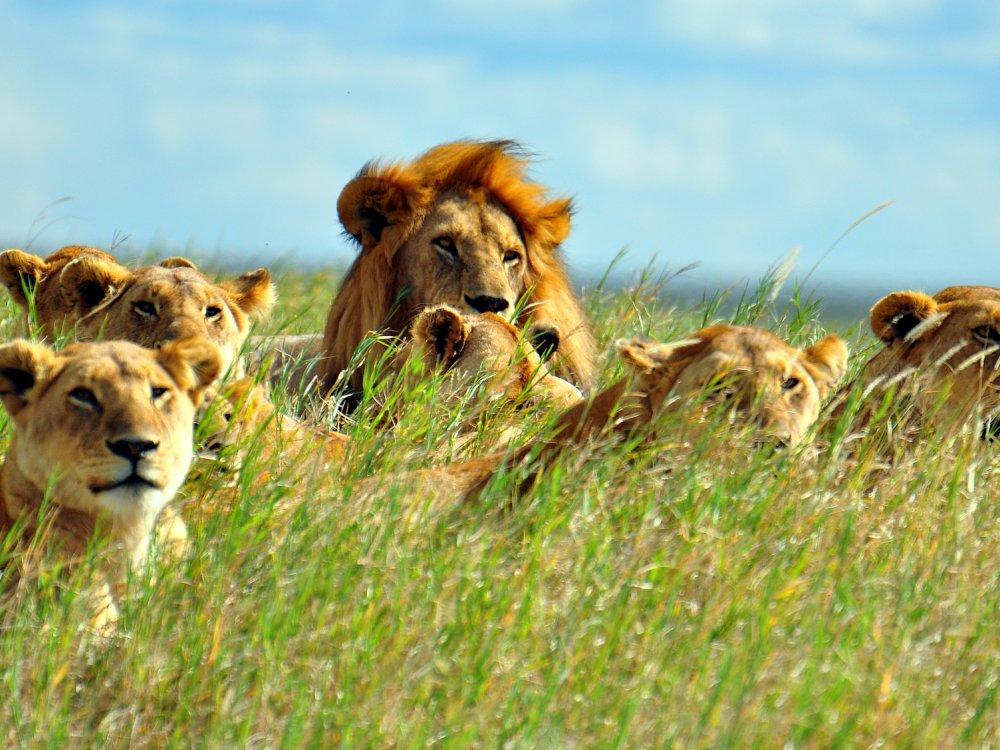
Across the golden grasslands of Africa, lions live in one of the most remarkable social systems in the animal kingdom. Unlike most big cats, which spend much of their lives alone, lions form close-knit communities known as prides.
A pride is more than a collection of powerful predators. It is a family network built around cooperation, communication, territorial defence and the protection of young.
The heart of the pride is usually a group of related lionesses—mothers, daughters and sisters—whose bonds may last throughout their lives. Adult males form coalitions that compete to defend and breed with these established female groups.
1. The social structure of a pride


11
A typical pride contains several adult females, their offspring and one or more resident males. Some exceptionally large prides can number 30–40 lions.
- Lionesses: The stable family core, responsible for much of the hunting, cub care and territorial defence.
- Resident males: Often members of a coalition, helping protect breeding access and defend against rival males.
- Cubs: Young lions who depend on adult protection, nursing and shared care.
- Adolescent lions: Young females often remain in their birth pride, while males typically disperse as they mature.
Interestingly, prides do not always move as one large group. They frequently split into smaller subgroups before reuniting, an arrangement that helps them adapt to changing conditions.
2. Hunting together: teamwork on the savanna


7
Lionesses do much of the hunting, using stealth, positioning and sometimes coordinated attacks to capture prey. A few individuals may approach from different directions, increasing their chances of success.
Lions usually rely on a short, explosive rush rather than a long chase. Hunting success varies with prey size, habitat, group size and environmental conditions.
Although cooperation is important, lions also hunt alone. Adult males are capable hunters, especially in habitats where vegetation provides cover. Lions also scavenge when opportunities arise.
3. Raising cubs: the next generation


9
After a pregnancy lasting about 110 days, a lioness commonly gives birth to two to four cubs. For the first weeks, she usually keeps them hidden in a sheltered location.
As cubs grow, they join the pride and begin exploring their surroundings. Lionesses with cubs of similar ages may nurse one another’s young and help protect them.
Play is an essential part of growing up. Chasing, wrestling, stalking and pouncing help young lions develop strength, coordination and the skills they will later need to hunt.
Life remains dangerous for cubs, however. Food shortages, disease, rival predators and takeovers by unfamiliar adult males can all threaten survival.
4. Territorial battles and male coalitions


8
When young males leave their birth prides, they may travel alone or form coalitions with brothers, relatives or unrelated males.
Coalitions compete for access to prides, sometimes confronting established resident males. A successful takeover can provide opportunities to reproduce, but tenure may be relatively short.
Territory defence is not exclusively a male responsibility. Lionesses actively defend their home ranges against rival female groups.
A lion’s roar, scent markings and territorial patrols all help communicate presence and discourage intruders.
5. A day in the life of a lion


7
Despite their fearsome reputation, lions spend much of their time resting. Conserving energy is essential for predators whose hunting attempts can demand intense physical effort.
An illustrative day inside the pride
- Dawn: Lions may return from nighttime hunting, drink water or exchange greetings.
- Midday: The pride often rests in shade, while cubs play and adults groom one another.
- Late afternoon: Lions become more active as temperatures decrease.
- Evening and night: Hunting, territorial patrols and communication often intensify.
Daily routines vary with prey, season, temperature and human activity.
6. Communication: more than a roar
Lions communicate through vocal sounds, body language, touch and scent. Roaring can help pride members locate one another and advertise territorial occupation.
Gentle head rubbing and mutual grooming reinforce social relationships. Mothers and cubs also use softer calls to maintain contact.
These interactions help explain why social bonds are such an important part of lion survival.
7. Conservation: protecting the future of the pride


9
The African lion faces major threats from habitat loss, declining wild prey populations, conflict with livestock owners and unsustainable killing.
The IUCN classifies lions as Vulnerable. A conservation assessment reported that the species’ occupied range in 2023 was only about 7.4% of its estimated historical extent.
Successful lion conservation requires protected habitats, connected wildlife corridors, healthy prey populations and cooperation with communities that share their landscapes.
Protecting lions means more than saving an individual animal. It means preserving the land, the social groups and the ecological relationships that allow prides to survive.
Conclusion
Inside every lion pride is an extraordinary story of family, competition, cooperation and resilience.
The lioness nursing her cubs, the young males searching for territory and the pride defending its home all contribute to one of nature’s most complex social systems.
The African lion is not simply the legendary king of the savanna. It is a social predator whose future depends on the survival of its family and the ecosystem around it.
Video gallery

Birth of a Pride: Lion Conservation
National Geographic Animals · Full documentary
A conservation story following the recovery of lions in Botswana’s Selinda region.

Lion Cubs vs Elephants & Alligators
BBC Earth · Wildlife footage
Young lions explore their environment and face the hazards of life in the wild.
WordPress SEO package
RECOMMENDED PUBLISHING DETAILS
Website: animals.bin3aiah.net
SEO title: African Lion: Life Inside the Pride | Bin3aiah Animals
Slug: african-lion-life-inside-the-pride
Focus keyword: African lion pride
Meta description: Discover life inside an African lion pride, including hunting, family relationships, cub development, territorial battles and conservation.
Categories: Mammals, Big Cats, African Wildlife
Tags: African Lion, Panthera Leo, Lion Pride, Lioness, Lion Cubs, Big Cats, Wildlife Conservation, African Savanna
Featured image recommendation: A natural photograph showing an adult male, lionesses and cubs together, preferably in a savanna environment.
Featured image alt text: African lion pride with lionesses, cubs and a male lion resting together in the savanna.
Photo sourcing and references
For the website’s full gallery, these sources provide extensive wildlife photography:
- Wikimedia Commons — African lion photography
- Lion family and cub photography
- Lion pride group photography
Check the license, photographer attribution and permitted uses on each individual media file before publishing. The visual examples above are not automatically cleared for website reuse.
Scientific references: IUCN Cat Specialist Group · Smithsonian National Zoo · Joint Lion Conservation Portal. These support the article’s biology, social structure and conservation information.
National Zoo
+3
Status: Article content and SEO package prepared. Not published to WordPress. Two verified video links and sources for a larger photo gallery are provided; individual image licensing remains to be checked.