


Views: 13
Gorilla: Intelligence and Social Life
Animals & Wildlife | Primates | Nature and Conservation


9
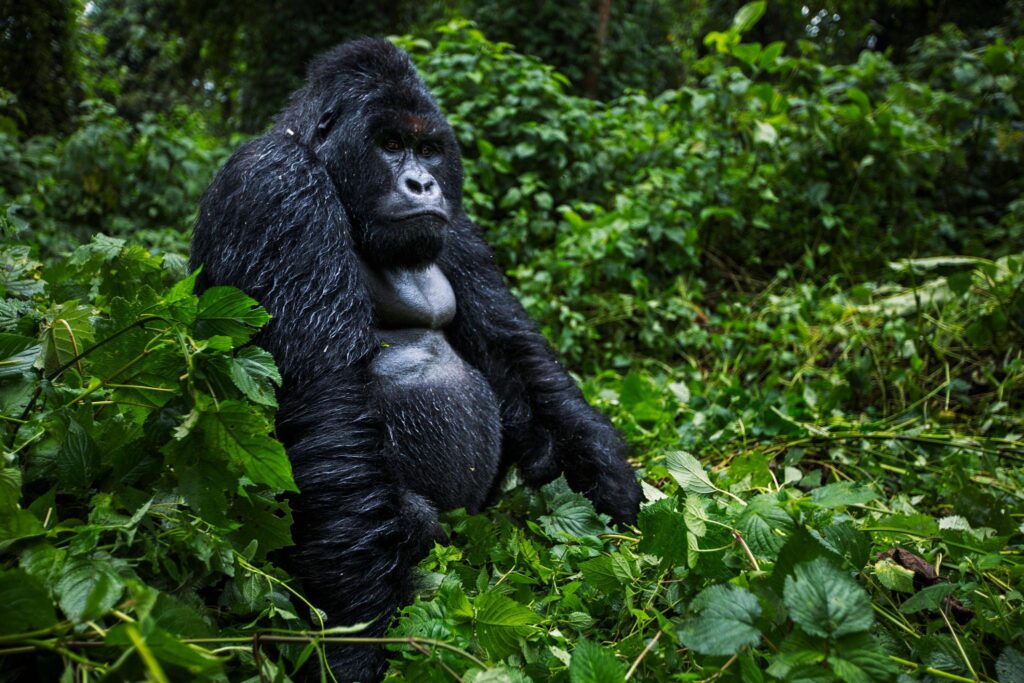
Gorillas are among the most intelligent and socially complex animals on Earth. Sharing approximately 98% of their DNA with humans, these remarkable great apes demonstrate impressive memory, communication, emotional awareness, and strong family relationships.
Native to the forests of central Africa, gorillas live in close-knit social groups, cooperate with one another, and form lifelong bonds.
1. Gorilla Intelligence
Gorillas possess sophisticated cognitive abilities that help them survive and interact with their environment.
- Problem-solving: They can manipulate objects and learn solutions through experience.
- Tool use: Wild gorillas have been observed using sticks to test water depth and assist movement.
- Communication: They use vocalizations, gestures, facial expressions, and body language.
- Memory: Gorillas remember food locations, familiar individuals, and learned routines.
- Emotional intelligence: They demonstrate affection, reassurance, playfulness, and responses to distress.
Although gorillas can learn symbolic associations in controlled settings, claims about their ability to use human language remain scientifically debated.
2. Social Life and Family Structure


10
Gorillas typically live in groups led by a mature male known as a silverback, named for the silver-gray hair that develops across his back.
A group may include adult females, their offspring, and sometimes additional males.
The silverback plays several important roles: protecting the group, mediating conflicts, making movement decisions, and maintaining social stability.
Female gorillas develop close relationships with their young. Infants depend on their mothers for food, transportation, protection, and learning during their early years.
Young gorillas also spend considerable time playing, wrestling, and exploring, activities that help develop social and physical skills.
3. How Gorillas Communicate
Gorillas communicate through a combination of sounds and movements.
| Behavior | Common meaning |
|---|---|
| Chest beating | Signaling size, presence, or competitive strength |
| Soft grunts | Maintaining contact and social coordination |
| Grooming | Strengthening social relationships |
| Facial expressions | Communicating emotional states |
| Play gestures | Inviting interaction |
Chest beating is not always a sign of aggression. It can help gorillas communicate over distance and potentially avoid physical confrontations.
4. Gorilla Species and Habitats


Western Gorilla
Gorilla gorilla
Found in west-central Africa, including populations inhabiting lowland tropical forests and swamp forests.


Eastern Gorilla
Gorilla beringei
Includes mountain gorillas and Grauer’s gorillas, which inhabit forests in parts of the Democratic Republic of the Congo, Rwanda, and Uganda.
Both species are classified as Critically Endangered by the IUCN.
5. Diet and Daily Life
Gorillas spend much of their day feeding, resting, and traveling through forest habitats.
Their diets vary by species and location, but commonly include leaves, stems, shoots, fruits, and other plant materials. They occasionally consume insects.
Despite their enormous physical strength, gorillas are generally peaceful animals that prefer to avoid unnecessary conflict.
6. Conservation and Threats


Gorillas face serious threats, including habitat destruction, poaching, disease transmission, and human conflict.
Conservation efforts focus on protecting forest habitats, strengthening anti-poaching measures, monitoring gorilla populations, and supporting communities living near protected areas.
Mountain gorilla conservation has achieved notable success through coordinated protection and monitoring, although the animals remain vulnerable.
Fascinating Gorilla Facts
- Gorillas are the largest living primates.
- Adult male gorillas can weigh more than 180 kilograms, depending on the species and individual.
- Gorillas construct nests from vegetation for sleeping.
- Their fingerprints are individually distinctive.
- Gorilla infants learn important behaviors by observing adults.
- Wild gorillas can live into their 30s and 40s.
Conclusion
Gorillas are far more than powerful forest animals. Their intelligence, emotional complexity, communication skills, and family relationships reveal how sophisticated life can be beyond our own species.
Protecting gorillas also means preserving the extraordinary biodiversity of Africa’s tropical forests.
Suggested SEO title: Gorilla Intelligence and Social Life: Behavior, Families and Fascinating Facts
Meta description: Discover how gorillas think, communicate, raise families, and survive in African forests. Explore their intelligence, social behavior, and conservation.